Synopsis
A deal to end the Persian Gulf war is nearing. Iran has strengthened its position and will set terms. The agreement will lift blockades and reopen the Strait of Hormuz. Sanctions on Iran are expected to be lifted, allowing oil sales. This conflict highlights the limits of US power and benefits China.

After some 4 mths of war – and weeks of on-again, off-again negotiations – an MoU that will end the war in the Persian Gulf is expected to be signed on Friday. It is far from a simple deal. Never mind the regime change that Donald Trump had cited as one of the main aims of joining Israel to attack Iran, the latter has succeeded in consolidating its position, despite its unpopularity at home and personnel loss in the conflict.
Contrary to the Trump regime’s assessments, the Islamic republic has not just survived but is strong enough to put conditions to the reported deal. The first phase ends the blockades with immediate effect, and reopens the Strait of Hormuz – that Iran maintains will not return to pre-war ‘toll-free’ status. The deal basically extends the ceasefire for 60 days, to reach agreements on more contentious issues including the future of Iran’s nuclear programme. Meanwhile, sanctions on Tehran are expected to be lifted so that it can sell its oil, and there is talk of unfreezing Tehran’s assets. If Trump had ventured into this war to showcase US dominance, it seems to have succeeded in doing just the opposite. It has showcased the limits of US state power and unilateralism. So far, Venezuela is the only successful international venture that Trump can boast of, putting the US on the pathway to becoming a ‘regional’ power. In this Washington-created mess, the unintended consequence is MCGA: Making China Great Again.
That a state like Iran has withstood, and delivered a knock to, the US is a clear marker of the loosening of a great power punching above its weight due to its economic and technological powers. Allies and partners, who have had a rough ride with the Trump regime, can draw some lessons and regroup.
…more
NEXT STORY
After the deluge, get ready for a reset
ET BureauLast Updated: Jun 15, 2026, 11:54:32 PM IST
Font Size
Save
Synopsis
A deal between the US and Iran signals a post-war future. The oil market will see significant shifts. Energy resilience will drive demand for renewables. Oil trade will fragment, impacting the petrodollar system. Manufacturing and agriculture will adapt to energy disruption. Global power dynamics will move away from fossil fuels.
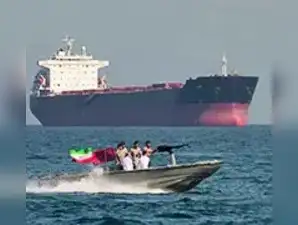
Now that Iran has confirmed the likelihood of a deal with the US to stop the conflict, we can seriously look at a post-war scenario. The oil market will take a while to reach its pre-war equilibrium after the Strait of Hormuz reopens once the deal is signed in Geneva on Friday. The new equilibrium will be based on fundamental shifts in oil consumption and production. Oil-importing economies will seek energy resilience in renewables. Oil trade will fragment, with countries moving into preferred regional corridors. There will be irreversible changes to risk premiums in the oil shipping business, and higher transport costs will speed up energy transition. Fragmentation will distance oil trade from the petrodollar system, which affects the US’ ability to run large fiscal and trade deficits.
There will be knock-on effects of a permanent reset on manufacturing and agriculture. Factory output must secure resilience to energy disruption, and this weighs in favour of protected markets. De-globalisation of farm input supply chains could fragment the food market. Services like transportation will take time to recover from demand destruction. Behavioural changes brought on by successive oil shocks can change work and leisure preferences. These adjustments will play out over the long term. Some of their effects could be masked by the global economy refilling its strategic oil reserves in the immediate future.
The world is expected to hit peak oil demand between 2030 and 2050. The US-Israel war on Iran will have trimmed these estimates. Natural gas will be the transition fuel until adequate investment is made in electricity from RE. Synthetic hydrocarbons should gain prominence in long-haul transport. Oil will switch from powering autos and machinery to producing plastics. Producers risk stranding new wells and high-cost refineries due to demand shifts. Some degree of disinvestment is inescapable. Global power dynamics should swivel away from fossil fuels to rare earths, even if West Asia builds bigger strategic cushions once Hormuz reopens.

