A Rs 22 lakh loan fraud using a stolen PAN highlights how easily your credit score can collapse. Experts warn that PAN misuse can impact not just loans but also your tax records, making regular credit checks essential.
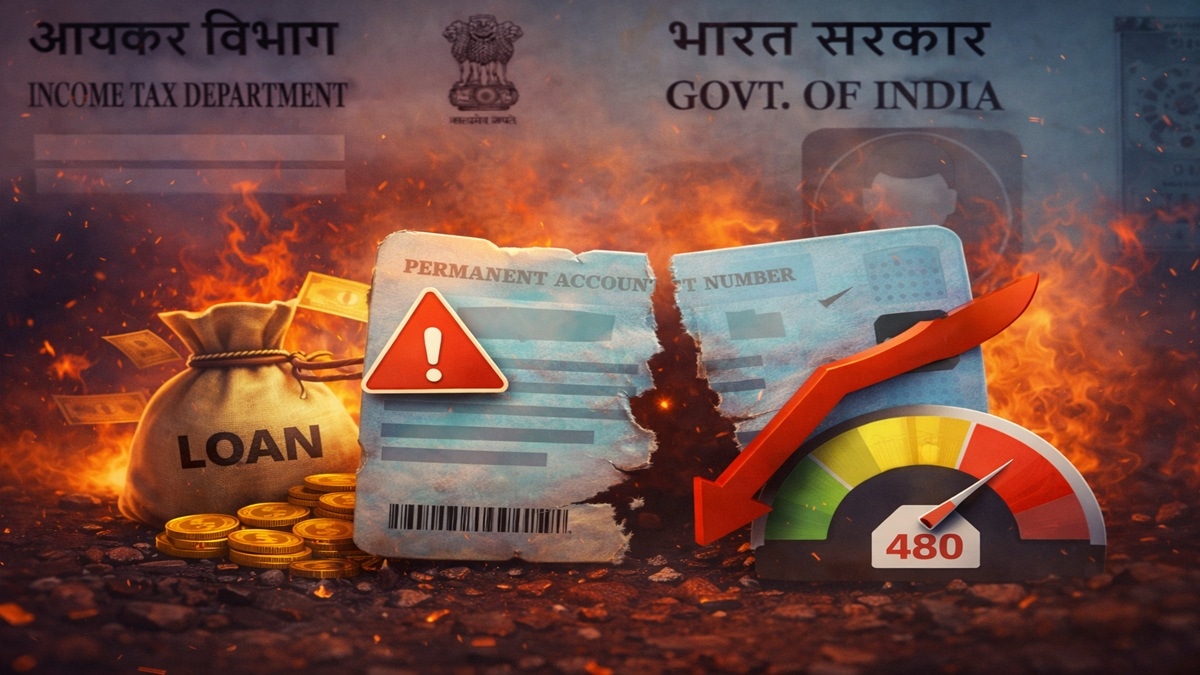 Credit score dropped to 480 after PAN fraud: What every taxpayer must check (AI-generated image)
A recent social media post highlighted a worrying reality of today’s digital financial ecosystem. Fraudsters allegedly took five loans worth Rs 22 lakh using an individual’s PAN, causing his credit score to crash to 480, tax advisory platform shared in a post on social media platform ‘X’. What makes this case alarming is not just the scale of fraud, but how easily it can happen to anyone.
At the heart of the issue is one simple fact: your PAN is no longer just a tax document—it is your financial identity.
Why PAN misuse is becoming a serious risk
Over the years, PAN has become deeply integrated into banking, lending and tax systems.
According to Sandeep Bhalla, Partner at Dhruva Advisors, this interconnectedness has improved transparency but also increased vulnerability.
He explains that what may start as a fraudulent loan can quickly spiral into a much larger problem—impacting your credit profile, tax records, and even leading to legal complications.
For instance, if someone takes a loan using your PAN: It may get reported to credit bureaus, your credit score can drop sharply and lenders may start recovery actions in your name.
In the case of this individual, as highlighted by TaxBuddy, the credit score damage was immediate and severe.
It’s not just credit score — tax issues can follow
The impact doesn’t stop at borrowing ability. Such fraudulent transactions can also show up in financial reporting systems.
Bhalla points out that this can lead to mismatches in your tax records, potentially inviting scrutiny from tax authorities. In some situations, if a loan is written off, authorities may even examine whether any related income should have been reported—an issue that is still legally debatable and could lead to disputes.
In simple terms, PAN misuse today is not just fraud—it’s a multi-layered financial risk.
How to check if your PAN is misused
One of the key takeaways from TaxBuddy’s post is that early detection can save you from long-term damage.
The easiest way to stay alert is by checking your credit report regularly.
-You can get your report from CIBIL, Experian, Equifax, or CRIF
-It requires just your PAN and mobile number
-Each bureau offers at least one free report every year
While checking, watch out for loans you never applied for, unknown lenders and ‘hard inquiries’ you did not approve. These are often the first signs of misuse.
What to do if you spot fraud
If you notice anything suspicious, speed is critical.
You should immediately raise a dispute with the credit bureau (most allow online complaints), inform the lender linked to the fraudulent loan, submit identity proof and required documents, and file a complaint on the cybercrime portal or with the police.
As Bhalla notes, taking swift action not only helps correct your records but also creates a formal trail that strengthens your case.
Simple precautions to protect your PAN
Prevention, however, is always better than cure. Basic precautions can significantly reduce your risk:
-Treat PAN like sensitive financial data
-Avoid sharing it on unknown websites or random links
-Do not forward it casually on WhatsApp or email
-Use strong passwords and enable alerts for financial accounts
TaxBuddy also suggests monitoring your credit report every 3–6 months if you suspect any misuse.
Summing up…
The case is a reminder that financial fraud today can be silent but damaging. You may not even realise something is wrong until your credit score drops or a recovery notice arrives.
As Sandeep Bhalla sums it up, in a digitised financial world, vigilance is no longer optional. A small lapse in safeguarding your PAN can have consequences that go far beyond a single fraudulent transaction.
Regular checks, timely action, and cautious sharing of personal information can make all the difference in protecting your financial identity.
Disclaimer:
This article is based on a social media post shared by a tax advisory platform on X (formerly Twitter), which highlights a specific case of alleged PAN misuse and loan fraud. The details mentioned in the story are drawn from that post and are intended to raise awareness about potential risks. The case has not been independently verified and should be treated as indicative in nature.
Expert views quoted in the article are provided for general informational purposes to help readers understand the broader financial, credit, and tax implications of PAN misuse. This content does not constitute financial, legal, or tax advice. Readers are advised to verify information independently and consult qualified professionals before taking any action based on the information provided.
 aniltikotekar4sme.com