Clipped from: https://www.financialexpress.com/business/news/hdfc-bank-exit-note-deepens-unease-as-experts-flag-tensions/4178197/
HDFC Bank faces an internal crisis as former Chairman Atanu Chakraborty’s resignation exposes a “clash of egos” and disagreements over moral responsibility in the Lilavati Hospital case.
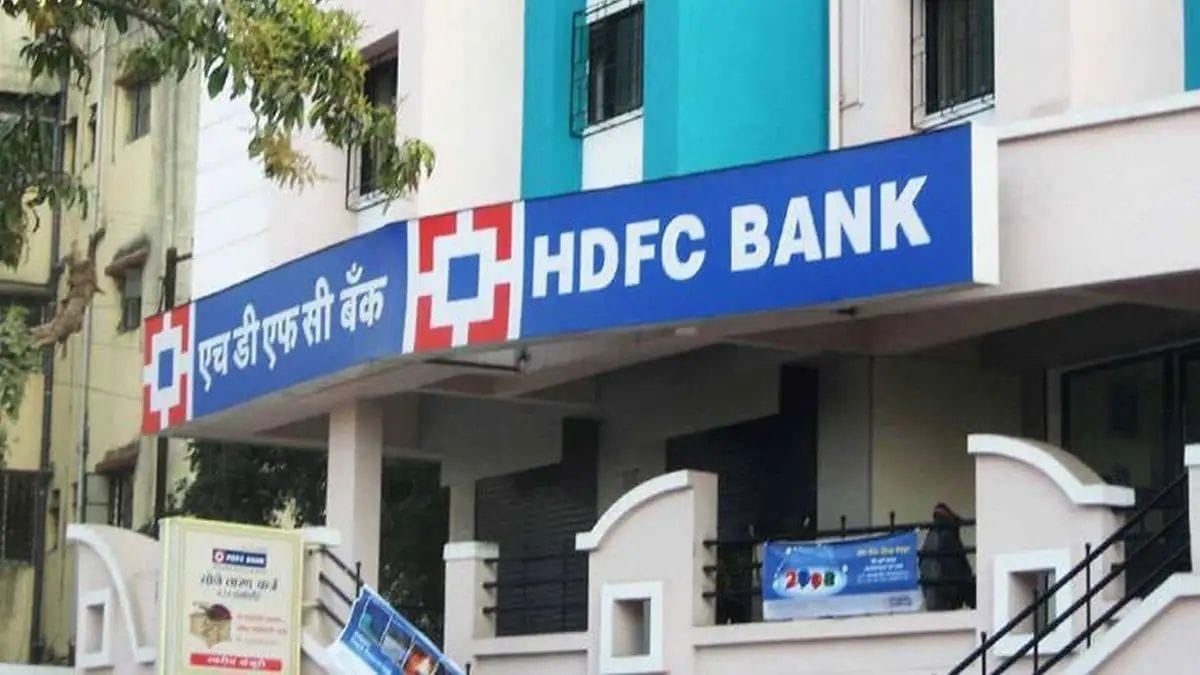 Rift at the Top: The Hidden Power Struggles Behind Atanu Chakraborty’s HDFC Bank Exit
A cryptic resignation letter from HDFC Bank’s former chairman Atanu Chakraborty has left analysts and investors grappling with more questions than answers, even as the bank and regulators moved to contain the fallout.
Addressed to Harsh Kumar Bhanwala, chairman of the governance, nomination and remuneration committee (NRC), Chakraborty wrote: “Certain happenings and practices within the bank, that I have observed over last two years, are not in congruence with my personal values and ethics.” He added that there were no other material reasons for his resignation—without offering specifics.
The lack of detail has unsettled the Street, with people familiar with the matter pointing to what they describe as a simmering power struggle within the bank’s leadership.
They cite discomfort over a range of issues—from the fallout of the AT1 bond episode to questions around CSR fund utilisation and the Lilavati Hospital case involving CEO and managing director Sashidhar Jagdishan—as well as widening differences within the board on how these were handled.
“It’s nothing to do with wrongdoing, but a clash of egos,” said a senior bank official, expressing surprise at the strong language used in the resignation letter. Some also pointed out the former bureaucrat’s style of functioning which at times appeared to be encroaching on the executive turf.
The timing has added to concerns. The exit comes when the bank has been facing regulatory scrutiny on multiple fronts. Its Dubai International Financial Centre (DIFC) branch was barred from onboarding new clients after the Dubai Financial Services Authority flagged deficiencies in oversight, particularly in the sale of complex products such as AT1 bonds.
Domestically, the Lilavati case—currently sub judice—and criticism over CSR allocations have raised questions around transparency and governance processes. While the bank has maintained these are isolated issues and has initiated corrective measures, the convergence of these developments has sharpened the regulatory focus on the lender.
According to people aware of boardroom discussions, Chakraborty believed the CEO should have taken moral responsibility in the Lilavati matter—a position that did not find unanimous support within the board.
A domestic brokerage analyst said the discomfort was partly driven by the CEO’s personal involvement in a case that attracted public attention, though he added that this was “only the surface” of deeper differences.
There were also murmurs of a rift between deputy managing director Kaizad Bharucha and Jagdishan, with internal factions emerging within the bank’s leadership.
Chakraborty’s resignation, instead of settling the issue, appears to have exposed these fault lines.
Some analysts believe the exit may not have been entirely voluntary. The perception of dissonance was reinforced when Bharucha was absent from the initial analyst call following the announcement. His absence—officially attributed to a routine health check-up—raised eyebrows, though he later joined a media interaction.
“Such a check-up could easily have been postponed on a day like this,” said an analyst, pointing to the stock’s nearly 8% intraday fall before recovering partially.
Jagdishan, however, denied any rift, saying he and Bharucha were aligned on the bank’s objectives and emphasising the latter’s commitment to the organisation.
Market experts say that while the episode has dented sentiment, it does not yet point to a structural governance breakdown.
Rajesh Kothari, founder and CIO of AlfAccurate Advisors, said the bank continues to enjoy strong institutional backing, citing the Reserve Bank of India’s reassurance and the appointment of Keki Mistry as interim chairman as stabilising factors. He attributed recent stock underperformance largely to post-merger growth moderation, noting that integrations of this scale typically take two to three years to settle.
Operational risks, however, remain. Siddharth Rajpurohit of Systematix Institutional Equities warned that internal frictions could slow decision-making. “I see a risk to their guidance of growing at or above industry levels,” he said, adding that while this is not a governance crisis, operational challenges could take time to resolve.
Reflecting these concerns, Macquarie has removed HDFC Bank from its “marquee” buy list, citing potential near-term underperformance.
“While fundamentals remain strong with good ROA, governance concerns will weigh heavily on the stock,” analyst Suresh Ganapathy wrote, adding that investors would seek greater clarity from the board, particularly amid uncertainty over the CEO’s future.
For now, the central issue remains less about what is known—and more about what has not been said.
 aniltikotekar4sme.com